Ker Sangri Recipe – Rajasthani Desert Beans and Berries Sabzi
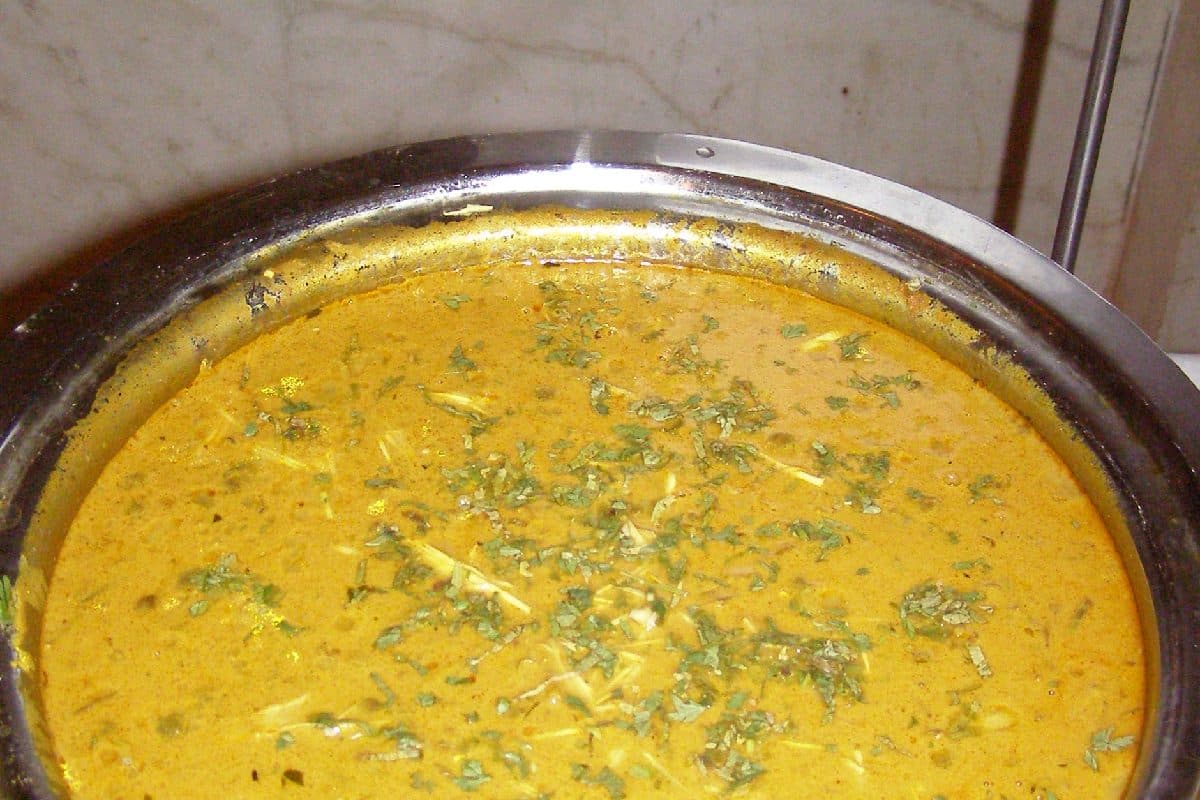
Ker sangri is Rajasthan's most distinctive desert dish — dried ker berries and sangri beans, both foraged from hardy desert shrubs, rehydrated and cooked into a tangy, slightly sour sabzi that needs no fresh vegetables at all.
What ker and sangri actually are
Ker is a small, tart berry from the Capparis decidua shrub; sangri is the long, thin bean pod of the Prosopis cineraria (khejri) tree — both grow wild in the Thar desert and are traditionally sun-dried for year-round use, since nothing fresh survives the dry months.
Why it needs a long soak
Dried ker and sangri are hard and need a proper overnight soak, sometimes with a change of water, to rehydrate and soften, plus a boil before they ever reach the pan — skipping this step leaves them tough and overly bitter.
A dish that travels well
Because its core ingredients are dried, ker sangri historically kept for long journeys across the desert — closer in spirit to a pickle than a typical fresh-vegetable sabzi, which is part of why it's so intensely tangy and spiced.
Common mistakes to avoid
- Skipping the overnight soak, or cutting it short — the dried pods and berries stay tough and bitter no matter how long you cook them afterward.
- Not boiling the soaked ker and sangri before adding them to the tempering — raw, under-cooked pods carry an unpleasant bitterness that boiling removes.
- Going light on the amchur (dried mango powder) — the tang is a defining part of this dish; too little leaves it tasting flat.
Storage and reheating
Once cooked, it keeps 5-7 days refrigerated — it's a dry, almost pickle-like sabzi, so it keeps notably longer than a typical gravy dish. Many households make a big batch specifically because it keeps so well.
Frequently asked questions
Where can I buy dried ker and sangri if I don't live in Rajasthan?
They're sold dried in Indian or Rajasthani specialty grocery stores and online, often packaged together and labelled "ker sangri."
Can I substitute fresh green beans for sangri?
Not really — the flavour and texture of dried sangri is distinct from fresh beans. This dish specifically depends on the dried, desert-grown version.
Is ker sangri very spicy?
It's more tangy than fiercely spicy — red chilli adds heat, but the dominant flavour note is the sourness from amchur and the berries themselves.
Watch how it's made
Watch the full method step by step in the video below.
Method
- Soak. Soak the dried sangri and ker separately in plenty of water overnight, changing the water once if possible.
- Boil. Drain and boil the sangri and ker in fresh water for 15-20 minutes, until tender. Drain well and set aside.
- Temper. Heat mustard oil in a pan until it just starts to smoke, then let it cool slightly. Add mustard seeds, fennel seeds and hing, and let them sizzle.
- Combine. Add the boiled ker and sangri to the tempering, along with red chilli powder and turmeric. Stir-fry for 5-7 minutes on medium heat.
- Season. Add amchur, salt and raisins if using. Cook for another 5 minutes, stirring, until everything is well coated and slightly dry.
- Serve. Garnish with coriander and serve at room temperature or slightly warm, as a side with rotis or dal-baati.
More like this
 RajasthaniRajasthani Kadhi Kachori Recipe
 RajasthaniDal Baati Churma Recipe – Rajasthan's Classic Three-Course Thali
 RajasthaniLaal Maas Recipe – Fiery Rajasthani Red Mutton Curry
 RajasthaniJungli Maas Recipe – Rustic Rajasthani Mutton with Minimal Spices
 RajasthaniGatte ki Sabzi Recipe – Rajasthani Besan Dumplings in Spiced Yogurt Curry
 RajasthaniSafed Maas Recipe – Rajasthani Creamy White Mutton Curry
Ratings & reviews
Sign in to rate or review this recipe.
- No reviews yet. Be the first to review!
Comments
Sign in to leave a comment.